
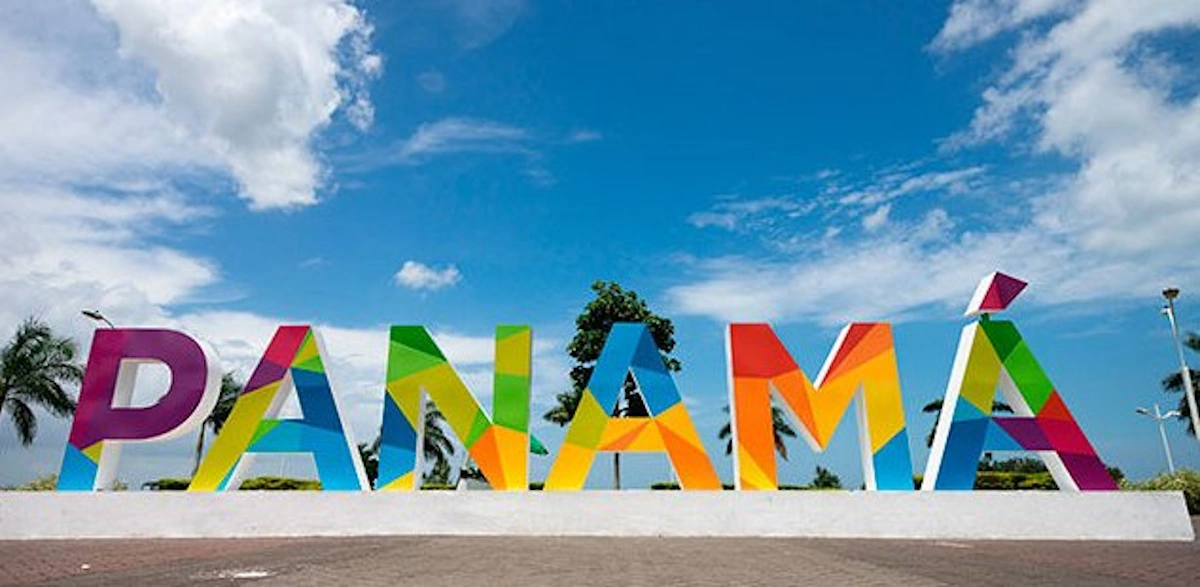
If you’re considering traveling in Panama on vacation, you’ll want to find out how safe it is. Panama, a country known for its vibrant culture, stunning landscapes, fabulous beaches, and the famous Panama Canal, attracts many tourists each year. However, like any other destination, it’s essential to assess the safety aspects before embarking on Panama travel. We provide statistics and comparisons with other countries, identify three areas you must avoid, and provide safety tips when traveling in Panama. Don’t book a trip without reading this first.

How Safe Is Travel In Panama?
Below we examine political stability, crime statistics, health and medical safety, and transportation safety. And we assess how safe it is to travel in Panama.
Political Stability In Panama
Panama’s political scene is very stable, which is essential for safe tourism. It has a functional democratic system, and there have been no significant political upheavals or civil unrest situations affecting tourists. Unlike in some other countries, where political volatility can lead to sudden disruptions, the steadiness in Panama is a strong point in its favor for tourists.
Crime Statistics
The overall safety situation is generally favorable for tourists. Most people traveling in Panama encounter no issues during their stay.
But, like any other country, some areas are safer than others. Certain regions in Panama City, such as El Chorrillo and Santa Ana, have been identified as higher crime areas. However, places like Casco Viejo, Punta Pacifica, and Costa del Este are generally safe. And the vast majority of regions outside of Panama City are also very safe (with exceptions noted below).
Petty crimes such as pickpocketing can occur. Taking basic precautions such as keeping valuable items secure, being aware of your surroundings, and avoiding displaying wealth can significantly minimize the risk of falling victim to such incidents when traveling in Panama.
In terms of violent crime, while instances can occur, violent crime is average or lower than average compared to most countries, especially outside the three areas to avoid when traveling in Panama.
Is Panama Safe Compared To The United States?
It’s challenging to find reliable comparators for crime statistics between countries because of the differences in how statistics are collected in each country. However, below are several direct comparisons to help determine if Panama is safe.
While there is some petty theft, in 2020, there were 11,500 reports of theft across Panama reported to the Police. This was a 20% decrease over the previous year. In comparison, based on the number of robberies per 100,000 population, there are four times more robberies in the United States than in Panama.
When looking at violent crime, the comparisons are similar. Violent crime in Panama is often less than that in the United States. For example,
- Gun crime per capita is 4 times more in the United States than in Panama
- Total crimes per capita are 6 times more in the United States than in Panama
- Rapes in the USA are almost twice as high per capita than in Panama
But the murder rate in Panama is higher than that in the United States. These are typically linked to organized crime (see the three areas to avoid when traveling in Panama below) and are much less likely to affect tourists.
Is Panama Safe Compared To Mexico?
Crime rate comparisons between Mexico and Panama show that traveling in Panama is safer. Statistics collected by Numbeo.com (July 2023) show that across 13 comparison crime statistics, Panama ranks safer in 12 out of 13 and is only marginally higher in the 13th. Is Panama safe to travel to? Clearly, it’s much safer than Mexico.
Health And Medical Safety
From a health perspective, Panama has a sound healthcare system. The city areas, in particular, have modern, well-equipped facilities, and many doctors are bilingual. However, healthcare facilities may be less accessible in remote or rural areas. Travelers should be up-to-date with routine vaccinations and consider vaccinations for diseases like Typhoid and Hepatitis A, common in many developing countries. It is advisable to have comprehensive travel insurance that covers medical expenses and emergency evacuation if required.
Transportation Safety
Transportation safety is another crucial aspect to consider when traveling in Panama. The country has a well-developed transportation infrastructure, including airports, highways, and public transportation systems. The main cities, such as Panama City, offer reliable transportation options like taxis and buses. However, using licensed taxi services and negotiating the fare before getting into the vehicle is advisable. Uber works very well in the City too. Additionally, if you choose to rent a car, ensure you are familiar with local traffic rules and exercise caution while driving, especially in rural areas where roads may be less maintained.
or email us at rentals@vacationhomerentalsinpanama.com

Staying Safe When Traveling In Panama City
Panama City, the vibrant capital of Panama, is a fascinating destination that offers a mix of modernity, history, and culture. From the iconic Panama Canal to the charming Casco Viejo district, the city has much to offer travelers seeking a memorable vacation experience. However, like any other travel destination, it’s essential to prioritize safety during your visit. By taking some precautions and being aware of potential risks, you can ensure a secure and enjoyable trip to Panama City.
Certain regions in Panama City, such as El Chorrillo and Curundu, have been identified as higher crime areas, so you will want to avoid these areas.
Santa Ana is an area that used to be less safe but is becoming safer as it becomes modernized and more tourists visit. But some viligence may still be appropriate. However, most city areas, such as Casco Viejo, Punta Pacifica, and Costa del Este, are generally very safe.
Three Areas To Avoid At All Costs When Traveling In Panama
While most areas for travel in Panama are very safe, tourists should avoid three areas of the country. These three areas account for a large portion of the violent crime in Panama. Fortunately, they are all easily avoidable.

Beware When Traveling In Panama To Colon
Colon, Panama, has had a reputation for being less safe than other parts of the country, particularly in specific neighborhoods and areas. Colon has faced issues with crime, including robberies, thefts, and gang-related activities, in the past. Tourists have been advised to exercise caution when visiting Colon, especially in neighborhoods with higher crime rates. However, the historic district and areas near the cruise port are typically considered safer for tourists.
In recent years the Panamanian Government has made efforts to improve safety and security in Colon. An increased police presence and various initiatives have been implemented to address crime in the city. Additionally, the cruise port area has seen improvements in security measures to ensure the safety of cruise ship passengers.
Avoid Travel In Panama In Darian At All Costs
While some regions of Colon are ok to visit, the Darian area next to the border with Columbia should be avoided by all tourists. It is not safe to travel in Panama in the Darien Gap. It is considered one of Central America’s most dangerous and inhospitable regions. This dense rainforest wilderness is located between Panama and Colombia, and it is known for its challenging terrain, lack of infrastructure, and presence of criminal activities.
The region has been associated with drug trafficking, illegal immigration, and armed groups. The lack of government control and the area’s remote nature make it a danger zone for Panama travel. The FARC (Revolutionary Armed Forces of Colombia) and ELN (National Liberation Army), two guerrilla groups, have historically operated in the Darien Gap, adding to the security risks.
Given these safety concerns, authorities and governments generally advise against traveling through or attempting to cross the Darien Gap on foot or without proper authorization and guidance. It is not a recommended route for tourists, and trying to do so can put travelers at serious risk.
Suppose you are considering traveling between Panama and Colombia. In that case, it is best to explore safer and official routes, such as flying between the two countries or taking a boat along the Caribbean coast.
Avoid The Mosquito Gulf During Panama Travel
Panama’s Mosquito Gulf (Golfo de los Mosquitos) has unique natural beauty, including lush mangroves and coastal ecosystems. However, it’s essential to be aware that this region can be challenging and less predictable compared to more popular tourist destinations for traveling in Panama.
The Mosquito Gulf is a remote and isolated area with limited infrastructure and accessibility. It is located in the easternmost part of Panama, near the border with Colombia. This region is sparsely populated and is known to be inhabited by indigenous communities, including the Guna people.
Due to its remote nature, the Mosquito Gulf has limited security and law enforcement presence. As a result, there can be challenges in responding to emergencies or addressing safety issues promptly. The area’s remoteness has also made it a target for illegal activities, such as drug trafficking and illegal immigration. Travelers may encounter groups engaged in these activities, which can pose safety risks. It is not an area that is advisable to travel in Panama.
The Mosquito Gulf is also home to indigenous communities with unique customs and traditions. Visitors should respect their way of life and seek permission before entering their territories or participating in cultural activities. Given these safety concerns, the Mosquito Gulf is generally not recommended as a travel destination for tourists, especially those inexperienced in navigating remote and potentially hazardous environments.
or email us at rentals@vacationhomerentalsinpanama.com
Government Advisories On Travel In Panama
Many Governments worldwide advise on how safe it is to travel to many destinations. The Canadian Government gives Panama the green light as a travel destination but notes to avoid some areas in Colon, Panama City, the Darian, and the Mosquito Gulf.

The USA Government is generally more conservative when answering the question of is Panama safe, and provides a level 2 advisory (out of 4 levels) overall for travel in Panama. Noting that parts of the Darian and Mosquito Gulf regions are to be avoided (rated level 4). Interestingly they do not mention Colon.
Emergency Support for Tourists
Importantly, Panama has several systems in place to assist tourists in emergencies. The tourist police, “Policia de Turismo,” are a special police force to help tourists, and there are numerous consulates and embassies in Panama City. The national emergency number, 911, can be used in emergencies.

Is Panama Safe To Travel To?
While, and as with any country, some basic precautions should always be used (see below), the evidence shows that travel in Panama is safe. Especially if you avoid the Darian Gap and the Gulf of Mosquito, both areas which are out of the way and difficult to reach.
From traveling to Panama over the last 2 decades, I find it very safe. Areas such as Bocas Del Toro, Gulf of Chiriqui, the Azuero Peninsula and the south coast just outside of Panama City in particular are all very safe. As are the highland areas of Boquete. But as with any destination, travelers should always exercise some basic precautions to stay safe.
Basic Tips To Ensure Your Safety When Traveling In Panama
- Research and plan ahead – Before traveling in Panama, research the country’s regions, attractions, and safety measures. Familiarize yourself with the local customs, culture, and essential phrases in Spanish to communicate effectively. Make a detailed itinerary, and share your travel plans with a trusted friend or family member so they know your whereabouts.
- Choose safe and reputable accommodations – Select safe and reputable accommodations. Stick to well-established hotels, resorts, or reputable vacation rentals in safe neighborhoods. Review previous guests’ reviews to gauge the accommodation options’ quality and security. Many resorts have excellent security, such as Playa Punta Chame at the Playa Caracol project.
- Be cautious with valuables in crowded areas – Petty theft can be an issue in crowded places, mostly Panama City. So keep a close eye on your belongings. And avoid carrying large sums of cash. Use a money belt or a secure pouch for your money, passport, and other important documents. Also, be discreet with expensive jewelry, cameras, and electronic devices, as they attract unwanted attention.
- Respect local laws and customs – Panama is a conservative country, and revealing clothing may not be appropriate in certain areas. Avoid engaging in illegal activities and respect local traditions and customs.
- Transportation safety – Use reputable transportation options when traveling in Panama, such as registered taxis or ride-sharing services, or recommended services from people you trust. If you rent a car, keep valuables out of sight and park in well-lit areas.
- Stay hydrated and protect against the sun – Panama’s tropical climate can be hot and humid. Drink plenty of water, wear sunscreen, and protect yourself from excessive sun exposure to avoid heat-related illnesses.
- Take precautions in remote areas – If you plan to visit remote areas, especially the Darien Gap region near the border with Colombia, exercise caution due to its isolated nature and the potential for criminal activities. It’s recommended to hire a reputable guide or join an organized tour.
- Insurance – While the healthcare system is a high standard in urban areas and affordable, you will want to review your travel and health insurance needs.
Final Thoughts – Traveling In Panama On Vacation
Panama is a beautiful country to explore. It has a vibrant culture, stunning landscapes, fabulous beaches, and warm, friendly, and helpful people. Traveling in Panama is safe and a joy. The overall risk level in the country is low, assuming you take elementary precautions and avoid the hard-to-get areas of the Darian Gap and the Mosquito Gulf. And the evidence actually backs that up. So don’t hesitate, start planning your Panama travel now.
Subscribe and don’t miss any of our informative articles on all things Panama
Send us a message
Have questions? Interested in more info or available vacation rentals? We’re here to help. Reach our friendly team on WhatsApp
One response to “Traveling In Panama On Vacation – Is Panama Safe To Travel To?”
[…] if you want to travel from one area to the next. So, driving is the predominant way of traveling in Panama. When considering the suggestions below of what to do in Panama for a week, you must consider […]